“Lessons Learnt” — The Church of England’s Favourite Refrain

Updated: Feb 27
Every time I hear the phrase “lessons learnt,” my blood boils.
Why? Because it’s one of the emptiest clichés in safeguarding and institutional life. It sounds responsible. It sounds reflective. But let’s be honest: it isn’t.
In the Church of England, “lessons learnt” has become a familiar refrain after safeguarding failures. It turns up in press statements, review reports, and Synod debates—rolled out like a closing benediction. A ritual phrase. A line to tick the box.
For survivors, the phrase is unbearable. To have trauma reduced to a “lesson” is dehumanising. But then to see those so-called lessons ignored while others are harmed is re-traumatising. That is not learning—it is betrayal, repeated.
The phrase gives the impression of closure. And yet the same failures resurface, again and again and again!
If lessons were truly learnt, why do we keep seeing the same harms repeated?

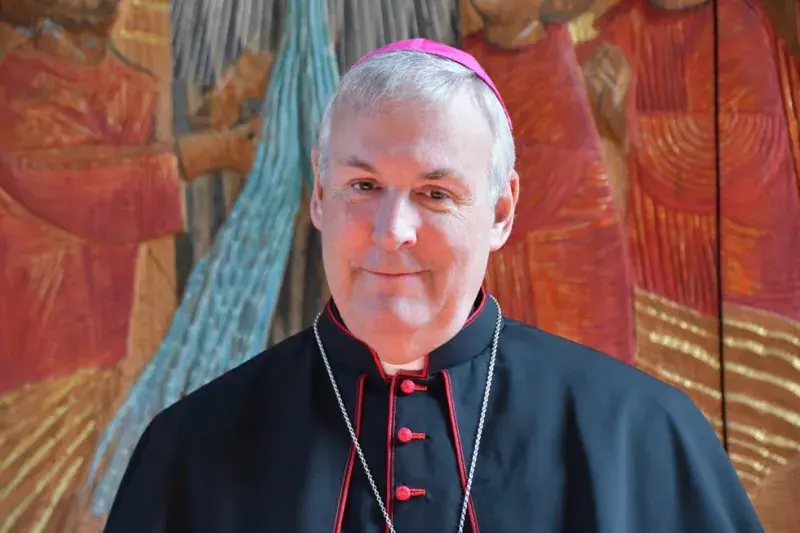
The phrase “Lessons learnt" is as hollow as the bishop who is wheeled out to repeat it. Lessons learnt by who? Who took responsibility? Who made the decisions? Who looked the other way? Who chose to protect reputations instead of people?
“Lessons learnt” is an institutional shield. Harm gets reduced to an abstract idea. No names. No ownership. No human accountability.
Safeguarding is meant to protect the vulnerable. Yet hidden loyalties—old boys’ networks, Masonic ties, ex-police allegiances—still cast long shadows within church safeguarding. Decisions too often serve institutions and reputations, not those who were harmed.
Survivors see through the spin. Whistleblowers are punished. Trust collapses. And every time “lessons learnt” is trotted out, the gap between the church’s words and its reality grows wider.
Survivors deserve far more than hollow words. “Lessons learnt” is not truth. It is myth—an institutional comfort blanket, covering over an unwillingness to face reality.
-Guarding the Flock