Language Matters: Words, Power and Victim-Blaming

⚠️ Content warning: This post discusses allegations of rape and child sexual abuse.
Many moons ago, during my university studies, I wrote extensively about language, the words used by professionals and the media, the difference between information and infotainment, and the impact those words can have on victims and survivors.
Years later, working in safeguarding, my view remains the same: language matters.
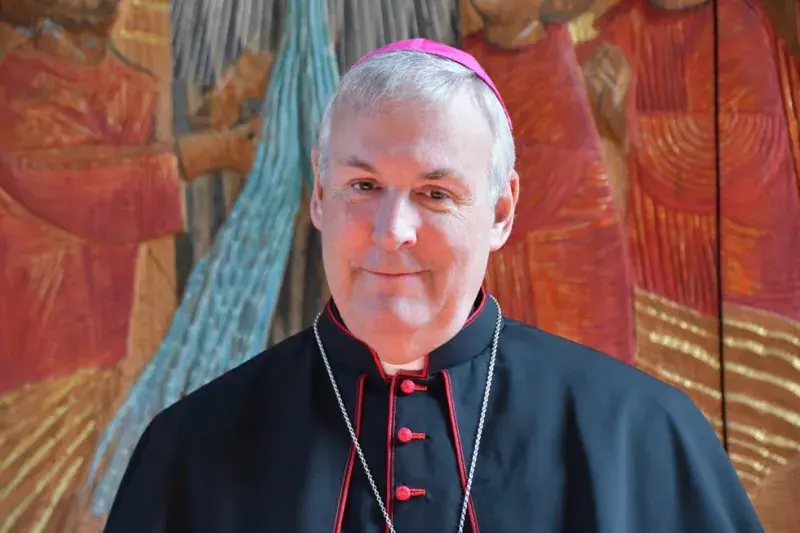
This week, the Bishop of Northampton, David Oakley, 70, appeared in court charged with two counts of rape of a girl under 16. The allegations relate to the early 2000s, when Oakley was a Catholic priest in his mid-40s. He has not yet entered a plea and is entitled to the presumption of innocence.
The allegation is stark. An adult Catholic priest is accused of raping a 15-year-old girl following a pilgrimage to Lourdes.
Yet ITV's reporting described him in its headline as being charged with “having sex with teenager”, while the article said he was “accused of twice having sex with the girl”.
That language matters because “having sex” implies mutuality. A man in his 40s does not “have sex” with a 15-year-old child. In the context of a rape allegation, that language sanitises the alleged actions of the adult and shifts responsibility onto the child. It turns alleged abuse into an encounter and a child into a participant. That is not neutral reporting.
We need to stop making children participants in their alleged abuse.
She was 15. He was an adult and a priest, occupying a position of authority, trust and spiritual power.
We have seen this language repeatedly: she was in a relationship with an older man, they were dating, she was sexually active, she made poor choices.
These words are not neutral. They shift the focus from what the adult is alleged to have done to what the child supposedly participated in. That is how victim-blaming can creep into a narrative without anyone explicitly blaming the victim.
Journalists are not alone. Professionals do it too. A victim becomes difficult. A traumatised person becomes uncooperative. A child is described as making choices. Grooming becomes a relationship. Alleged rape becomes having sex.
Before long, language starts doing something dangerous: redistributing responsibility from the person with power to the person without it.
David Oakley has been charged, not convicted. The allegations will be tested through the criminal justice process and the presumption of innocence matters.
But accuracy does not require sanitisation. An allegation of rape does not become “having sex” simply because careful reporting is required.
Language matters. Power matters. And we should never use our words to make a child sound like an equal participant in their alleged abuse.
~ Michelle Burns
Guarding the Flock
Writing this blog takes time, care, and a lot of tea. If it’s been helpful to you, you’re very welcome to buy me a cuppa as a small way of supporting it. No pressure at all – I’m just glad you’re here - Michelle